Mapping Capital Circulation in Mobile Table Game Applications
Jordan Fischer · Nov 4, 2026
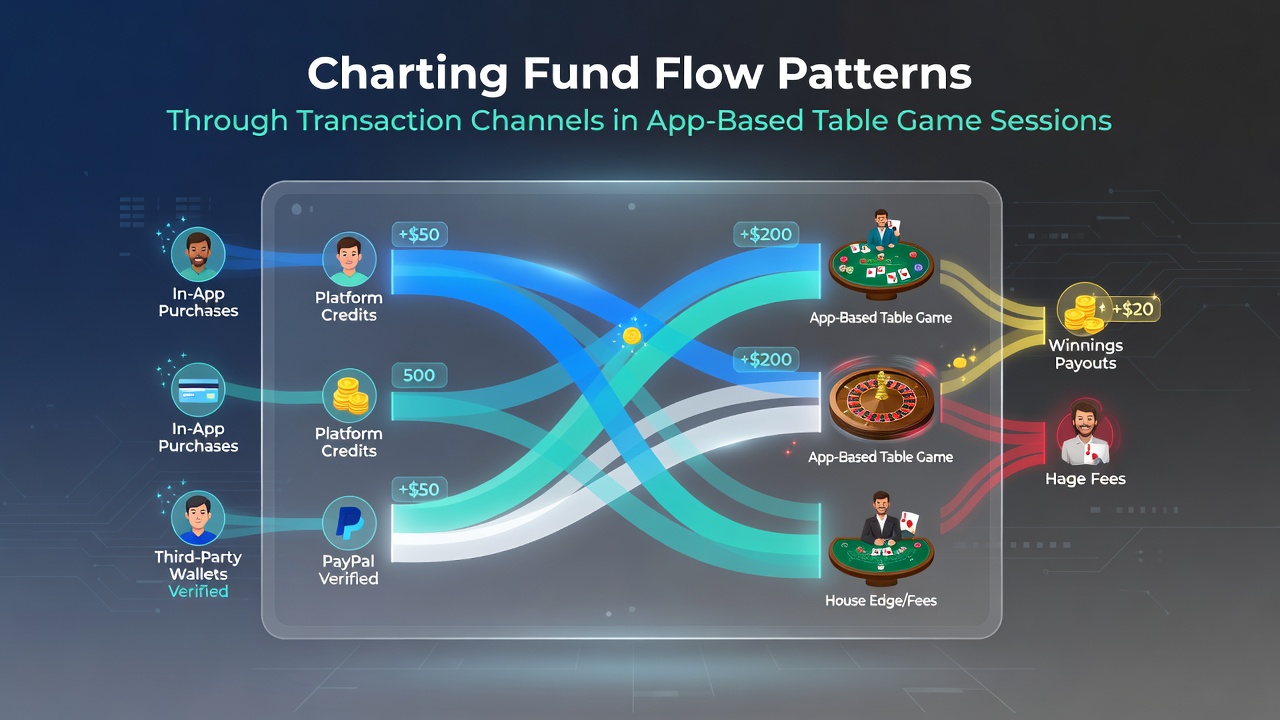
Mapping Capital Circulation in Mobile Table Game Applications
Digital platforms hosting table games such as blackjack and roulette have created intricate networks where funds move between player accounts, game servers, and external processors. Observers note that these pathways often involve multiple steps including deposits via digital wallets, in-session transfers during play, and withdrawals processed through banking partners. Data from regulatory filings indicate that transaction volumes in these environments have grown steadily since 2023, driven by increased adoption of smartphones for real-time gaming sessions.
Core Transaction Channels and Their Structures
Payment processors integrated into mobile apps typically route funds through several distinct channels. Electronic wallets handle instant deposits that credit player balances within seconds, while credit card transactions pass through acquiring banks before reaching operator accounts. Cryptocurrency options add another layer because blockchain ledgers record each movement separately from traditional banking rails. Researchers at institutions studying digital finance have documented how these channels interact during live table game rounds, where players may top up balances mid-session without leaving the application interface.
Industry reports compiled by the American Gaming Association reveal that e-wallet usage accounts for over half of all deposits in mobile table game environments across North American markets. This pattern emerges because such methods reduce friction compared with card-based alternatives that sometimes trigger verification delays. Meanwhile, operators in European jurisdictions outside the United Kingdom have reported similar shifts toward instant payment solutions, with data showing faster session initiation times when wallets replace slower methods.
Observed Patterns in Fund Movement During Sessions
Analysis of aggregated transaction logs shows recurring sequences where small deposits occur at the start of sessions, followed by incremental transfers as gameplay continues. These micro-movements often cluster around peak evening hours, reflecting player behavior tied to scheduled leisure time. Studies from the University of Nevada, Las Vegas have tracked how funds cycle between game wallets and external processors, noting that average session lengths correlate with the number of distinct payment events recorded per account.
One notable pattern involves rapid deposit-withdrawal loops in which players move winnings out of the app immediately after certain table game outcomes. Transaction records indicate these loops appear more frequently on platforms offering lower minimum withdrawal thresholds. In November 2026, updated reporting standards from the Malta Gaming Authority are scheduled to require operators to log these loops at a more granular level, which should provide clearer visibility into cross-channel flows.
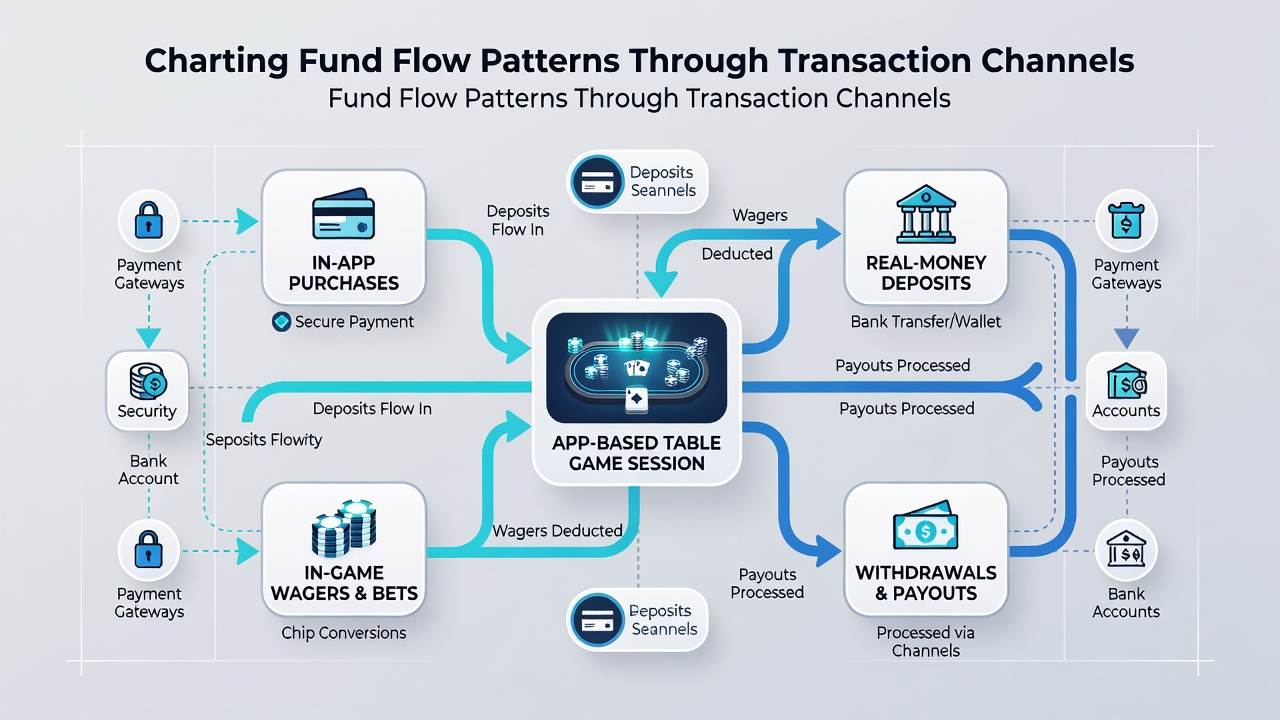
Regulatory and Technical Influences on Flow Visibility
Technical standards set by payment service providers determine how much detail operators can capture about each transfer. Tokenization methods used by major card networks obscure underlying account numbers yet still allow operators to associate transactions with specific gaming sessions. Observers point out that this balance between privacy and traceability shapes the quality of fund flow data available for analysis. Platforms operating under licenses from the Nevada Gaming Control Board must maintain records that link every deposit to a verified player identity, creating datasets that researchers can examine for broader circulation trends.
Additional layers appear when operators partner with third-party processors located in different jurisdictions. Funds may travel through intermediary accounts before final settlement, adding timestamps and fee deductions that alter net amounts reaching player balances. Reports issued by the Australian Institute of Criminology have examined similar multi-jurisdictional flows in other digital entertainment sectors, highlighting parallels with table game applications where currency conversion steps occasionally intervene.
Conclusion
Transaction channel mapping in app-based table game environments continues to evolve as new payment technologies integrate with existing platforms. Aggregated data from multiple regulatory sources demonstrate consistent growth in mobile transaction volumes alongside increasing complexity in how funds traverse between players, operators, and processors. Continued refinement of reporting requirements, including those taking effect in November 2026, should enhance the precision of these maps without altering the underlying movement patterns already documented across global markets.