Streamlined Payout Mechanisms in Licensed Casino Operations
Lars Müller · Oct 21, 2026
Streamlined Payout Mechanisms in Licensed Casino Operations
Core Components of Payment Ecosystems
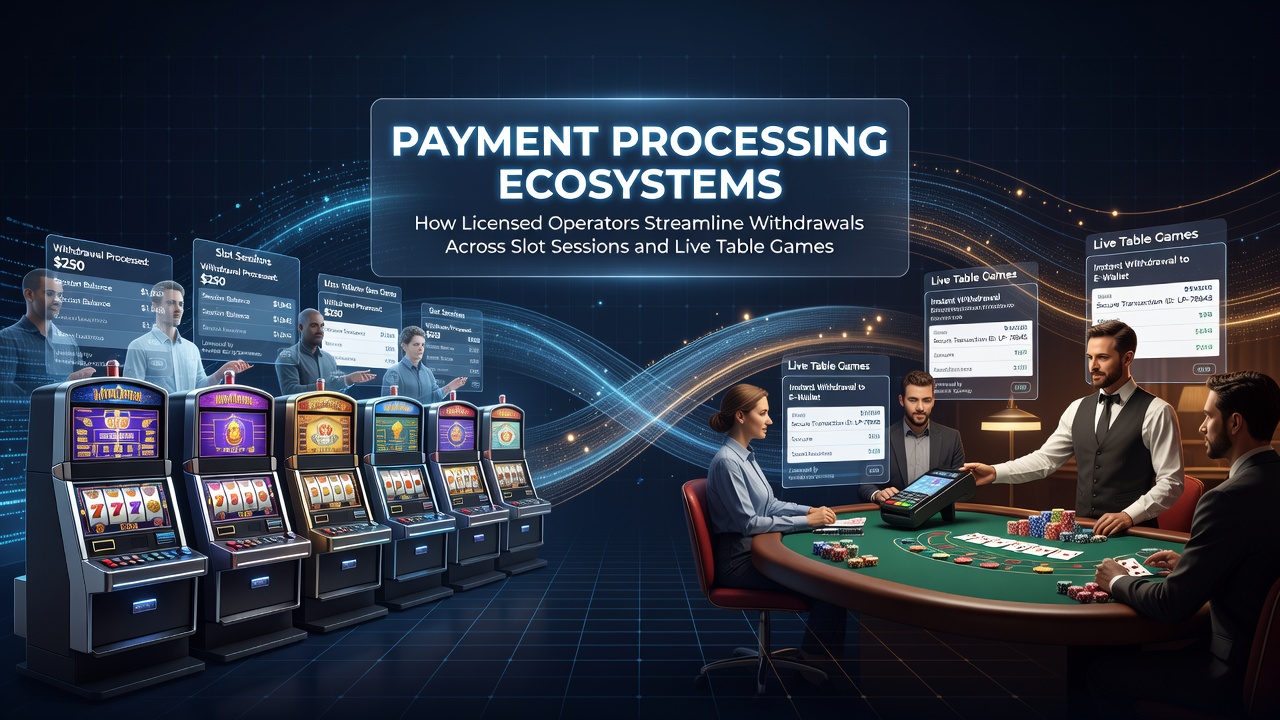
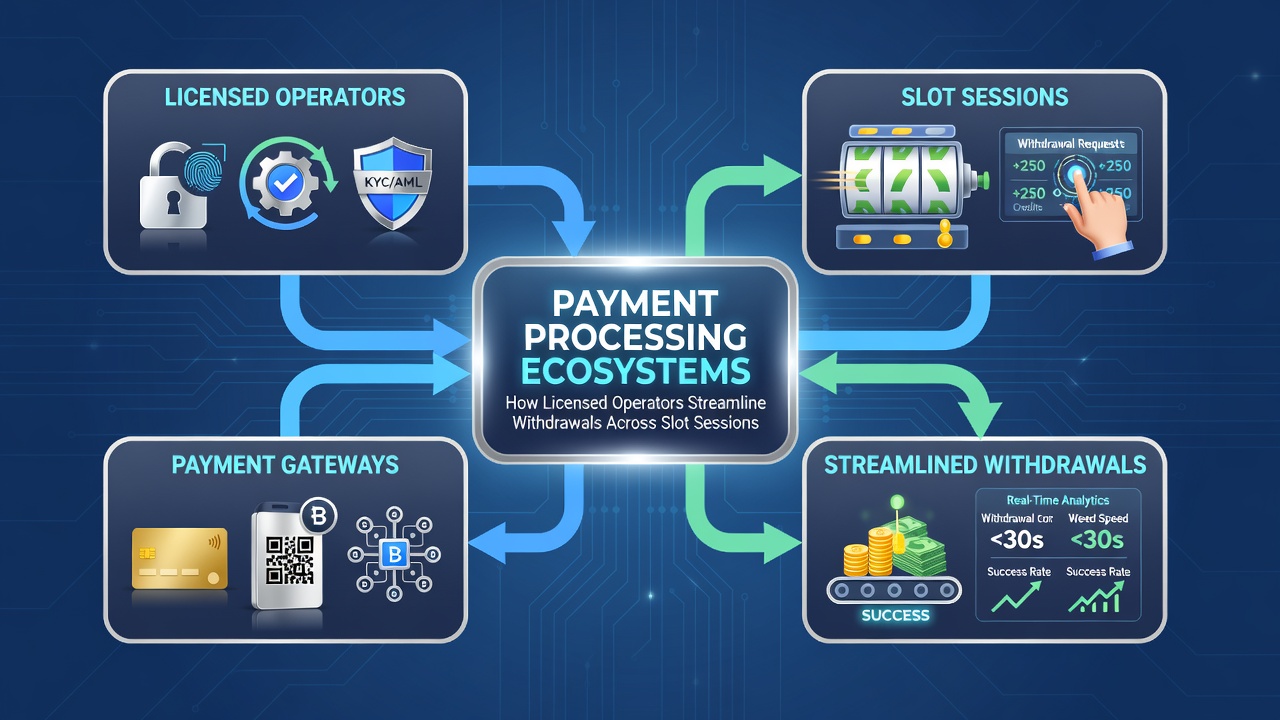
Licensed operators integrate multiple payment processors, banking partners, and compliance tools into unified systems that verify player identities, approve transactions, and release funds according to jurisdictional rules, and these setups handle both automated slot sessions and interactive live table games without requiring separate workflows for each format.
Data from regulatory filings shows that platforms using real-time verification reduce average withdrawal times by connecting directly to e-wallet providers and card networks, while the same infrastructure tracks play patterns across game types to flag unusual activity before funds move.
Differences in Processing Slots Versus Live Games
Slot sessions generate high volumes of small transactions that processors batch for quick review, and operators route these through automated risk engines that approve most requests within minutes once identity checks clear. Live table games involve larger, less frequent bets that trigger additional manual reviews because dealers record results in real time and systems must reconcile those outcomes against player accounts before releasing winnings.
One study of North American platforms found that slot withdrawals typically clear faster because algorithms handle the volume, whereas live game payouts often require a second layer of confirmation to match session logs with financial records.
Regulatory Standards Across Jurisdictions
Operators licensed in multiple regions follow standards set by bodies such as the New Jersey Division of Gaming Enforcement and the Australian Transaction Reports and Analysis Centre, and these rules require documented audit trails for every withdrawal regardless of game type. As of October 2026 several Canadian provinces updated their transaction monitoring thresholds, prompting operators to adjust API connections so that both slot and live game activity feeds into the same compliance dashboard.
Research from the International Association of Gaming Regulators indicates that unified reporting systems cut administrative delays and allow funds to reach verified accounts on the same day when no flags appear during automated checks.
Technology That Speeds Up Releases
Modern ecosystems rely on application programming interfaces that link casino software directly to payment gateways, and these connections let operators confirm available balances instantly across slot and live game ledgers. When a player requests a withdrawal, the system pulls data from both game servers and financial modules in a single query, then applies fraud filters before approving or holding the transfer.
Those who manage high-volume sites note that live table game sessions sometimes include side bets and progressive contributions, so processors must isolate those elements to avoid releasing unearned amounts, whereas slot sessions usually involve simpler win calculations that clear more rapidly.
Player Verification and Fund Security
Licensed operators require identity documents and address confirmation before any withdrawal processes, and once verified the same credentials apply to future requests from slot or live game activity. Multi-factor authentication adds another step that happens at login and again at payout, reducing the chance of unauthorized transfers while keeping the overall flow consistent for all game types.
Industry reports show that platforms using biometric checks alongside traditional documents experience fewer chargebacks because players confirm ownership before funds leave the operator account.
Conclusion
Licensed operators maintain payment processing ecosystems that treat slot sessions and live table games through shared verification and routing layers, and these arrangements satisfy regulatory demands while delivering funds according to established timelines. Continued updates to API standards and regional reporting rules keep the systems aligned with new requirements without creating separate paths for each game category.