The Interplay Between Verification Standards and Instant Payout Features in Digital Entertainment Venues
Drew Müller · Oct 7, 2026
The Interplay Between Verification Standards and Instant Payout Features in Digital Entertainment Venues
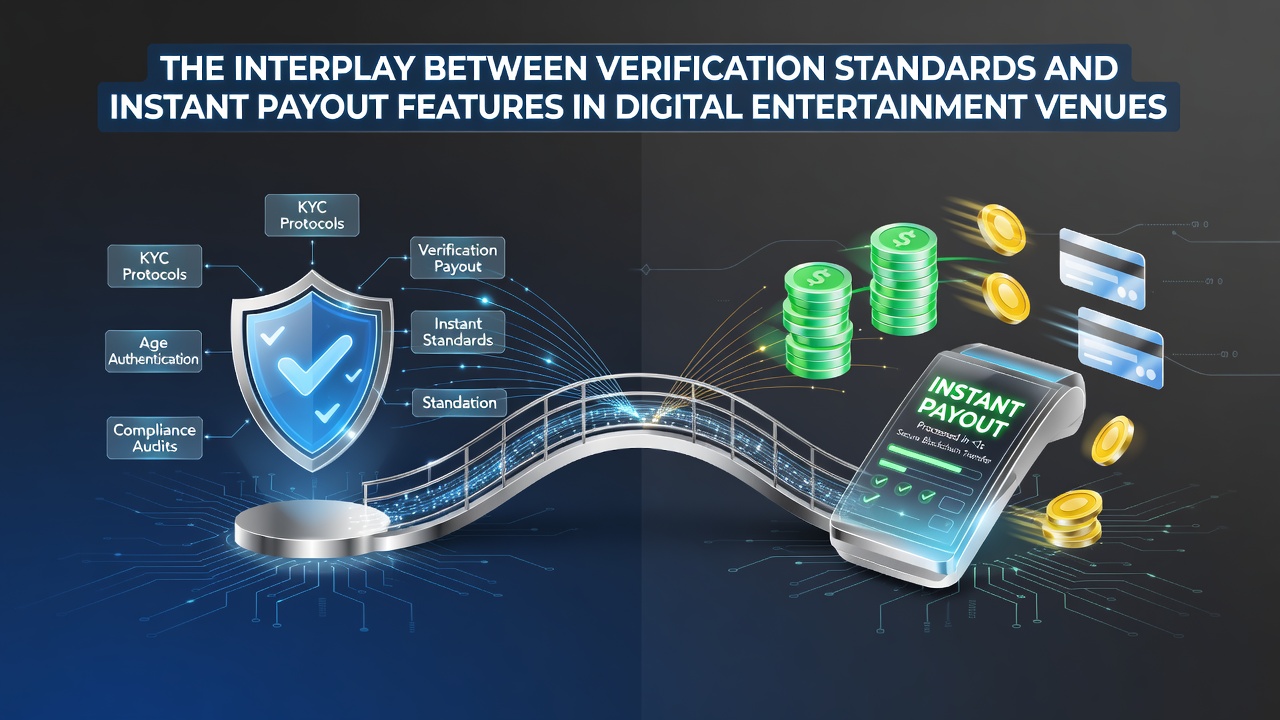
Digital entertainment venues rely on verification standards to confirm user identities while instant payout features promise rapid access to winnings, and the relationship between these elements shapes how platforms operate across multiple jurisdictions. Verification processes typically include document checks, biometric data, and address confirmation, all of which must align with local regulations before any funds move. Platforms that offer instant payouts integrate these checks into automated workflows so that approved accounts can receive transfers within minutes rather than days.
Core Components of Verification Standards
Verification standards vary by region yet share common requirements such as proof of age, identity documents, and source of funds declarations. In Ontario the Alcohol and Gaming Commission of Ontario requires operators to complete full identity verification before allowing real-money play, while similar rules exist in several Australian states under the oversight of state gaming authorities. These steps reduce fraud risks and support responsible gambling measures because verified accounts tie directly to individual users.
Platforms often use third-party services that cross-reference government databases and watch lists in real time, which speeds up the initial approval yet still demands accurate user input. When data mismatches occur, manual reviews extend the timeline and block instant payout eligibility until the issue resolves. Observers note that operators who invest in advanced document scanning tools report fewer delays because the technology captures clearer images and extracts data with higher accuracy.
Mechanics of Instant Payout Features
Instant payout features depend on e-wallets, instant bank transfers, and in some cases cryptocurrency rails that settle transactions within seconds after approval. The technology behind these options requires pre-cleared accounts so that withdrawal requests trigger automatic processing without additional human intervention. Research from industry reports indicates that venues adopting these systems see higher user retention when the verification layer runs smoothly in the background.
How Verification and Payout Systems Interact
Verification standards directly influence payout speed because platforms must confirm account ownership and compliance status before releasing funds. A user who completes verification at registration can often access instant withdrawals immediately, whereas partial verification flags the account and routes requests to slower manual queues. This dynamic creates a clear incentive for operators to streamline onboarding while maintaining regulatory compliance.
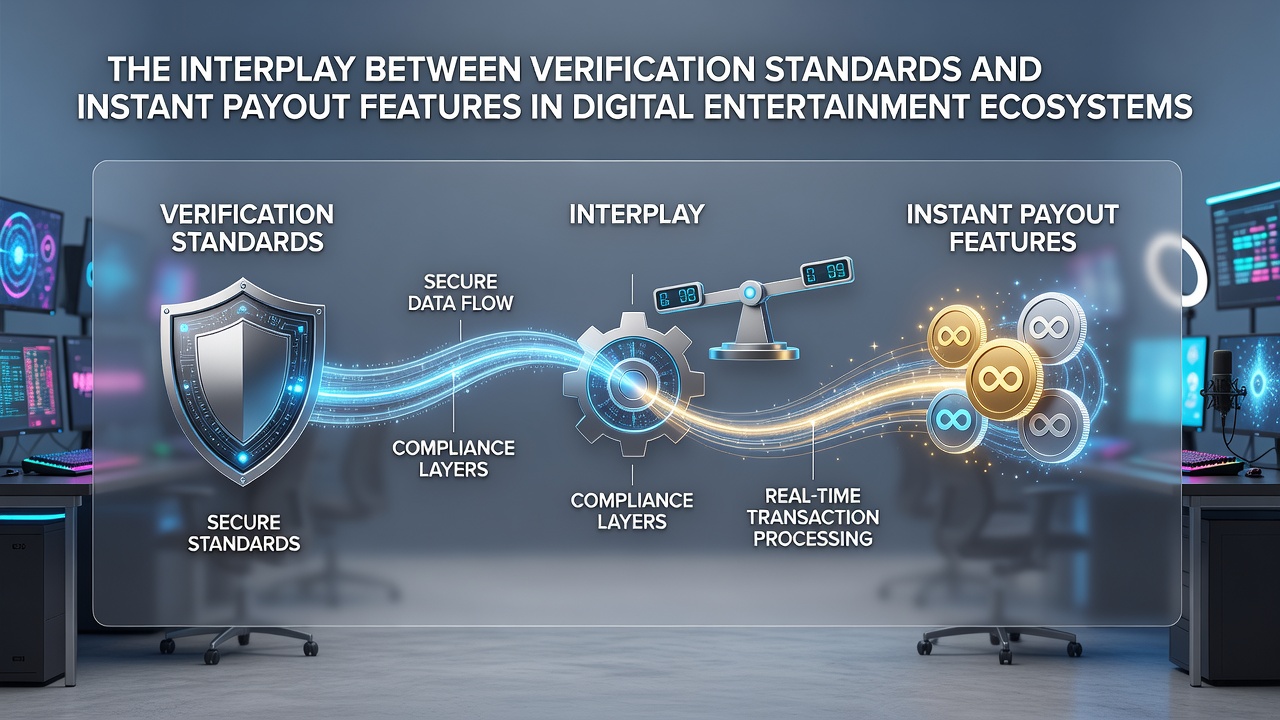
Security protocols add another layer because anti-money laundering checks sometimes trigger additional reviews even on verified accounts when transaction patterns deviate from norms. Those who've studied platform data note that venues balancing strict verification with fast payouts tend to employ risk-scoring algorithms that green-light low-risk requests instantly while holding higher-risk ones for quick secondary review. The result keeps most legitimate users satisfied without exposing the venue to regulatory penalties.
Regional Approaches and Technological Solutions
European operators following guidelines from the European Gaming and Betting Association have developed shared verification databases that let users carry verified status across multiple sites, which reduces repeated document uploads and supports quicker payout approvals. In contrast, certain North American markets require venue-specific verification yet allow instant bank transfers once the initial check clears. Both models demonstrate that technology can bridge the gap between thorough checks and rapid fund movement when systems communicate effectively.
Biometric authentication and blockchain-based identity solutions appear in newer platforms because these tools create tamper-resistant records that regulators accept as valid verification. Data from regulatory filings shows that venues implementing such methods experience fewer payout disputes since the verification trail remains transparent and auditable. As of October 2026 several jurisdictions continue testing pilot programs that combine these technologies with real-time payout engines to further shorten processing windows.
Operational Challenges and Industry Responses
Operators face the ongoing task of updating verification rules whenever regulations change while keeping payout features competitive. Staff training programs focus on recognizing verification red flags without unnecessarily delaying approved users, and automated systems handle the majority of routine checks. The ball remains in the court of technology providers to deliver solutions that scale with growing user bases yet maintain security standards demanded by oversight bodies.
Case studies from multiple markets reveal that venues investing early in integrated verification-payout pipelines report smoother operations and fewer customer complaints about delays. These examples illustrate how the interplay functions in practice rather than in theory alone.
Conclusion
The connection between verification standards and instant payout features continues to evolve as digital entertainment venues adopt new tools and respond to regulatory updates across regions. Platforms that align robust identity checks with automated payout systems deliver faster service without compromising compliance, while those that treat the two elements separately often encounter friction that affects user experience. Industry data and regulatory records show this balance remains central to operational success in the sector.